The Science Behind Porosity: A Comprehensive Guide for Welders and Fabricators
Understanding the detailed systems behind porosity in welding is important for welders and fabricators pursuing impeccable workmanship. As metalworkers explore the midsts of this sensation, they reveal a globe governed by different variables that affect the development of these minuscule voids within welds. From the composition of the base materials to the details of the welding procedure itself, a multitude of variables conspire to either intensify or minimize the visibility of porosity. In this extensive overview, we will certainly unwind the science behind porosity, exploring its impacts on weld quality and introduction progressed strategies for its control. Join us on this trip with the microcosm of welding flaws, where accuracy meets understanding in the pursuit of flawless welds.
Recognizing Porosity in Welding
FIRST SENTENCE:
Assessment of porosity in welding exposes vital understandings right into the integrity and top quality of the weld joint. Porosity, defined by the presence of tooth cavities or gaps within the weld metal, is an usual issue in welding procedures. These gaps, if not correctly dealt with, can jeopardize the structural honesty and mechanical homes of the weld, causing potential failures in the ended up product.
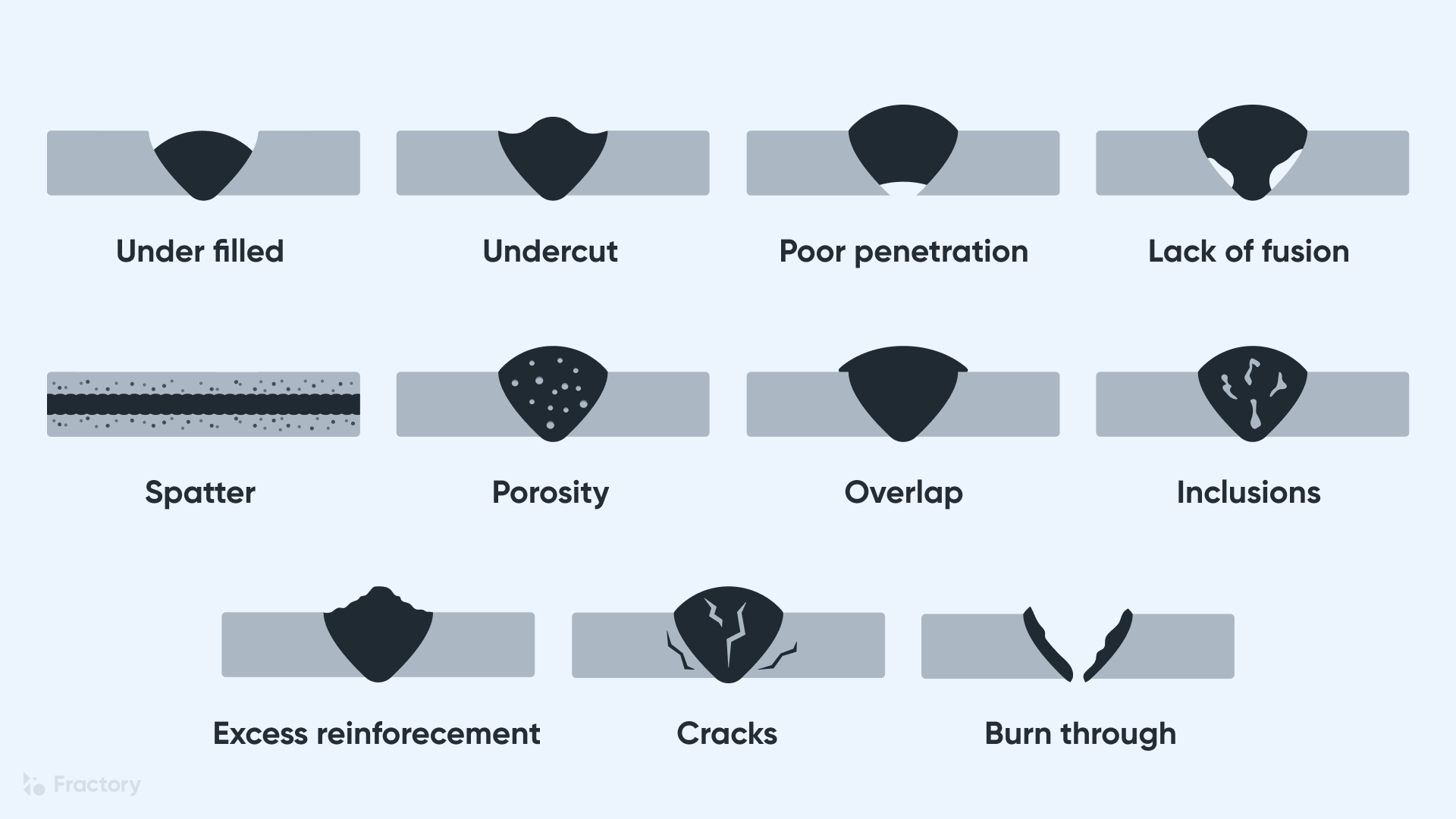
To detect and quantify porosity, non-destructive testing approaches such as ultrasonic testing or X-ray evaluation are usually employed. These techniques enable for the recognition of inner issues without compromising the integrity of the weld. By examining the dimension, shape, and distribution of porosity within a weld, welders can make informed decisions to boost their welding processes and accomplish sounder weld joints.

Elements Influencing Porosity Formation
The event of porosity in welding is affected by a myriad of aspects, varying from gas protecting effectiveness to the details of welding specification settings. One crucial factor adding to porosity development is poor gas securing. When the protecting gas, generally argon or carbon dioxide, is not effectively covering the weld swimming pool, atmospheric gases like oxygen and nitrogen can contaminate the liquified steel, bring about porosity. Additionally, the sanitation of the base materials plays a significant duty. Pollutants such as rust, oil, or moisture can evaporate during welding, developing gas pockets within the weld. Welding parameters, including voltage, present, take a trip speed, and electrode type, additionally impact porosity development. Making use of incorrect settings can generate too much spatter or warmth input, which subsequently can result in porosity. Additionally, the welding method used, such as gas metal arc welding (GMAW) or secured steel arc welding (SMAW), can affect porosity formation as a result of variants in heat distribution and gas coverage. Understanding and managing these elements are crucial for lessening porosity in welding operations.
Effects of Porosity on Weld High Quality
Porosity formation significantly jeopardizes the architectural honesty and mechanical residential or commercial properties of bonded joints. When porosity exists in a weld, it produces spaces or dental caries within the product, decreasing the total stamina of the joint. These gaps function as tension focus factors, making the weld more prone to cracking and failing under tons. The presence of porosity additionally compromises the weld's resistance to deterioration, find more as the trapped air or gases within deep spaces can respond with the surrounding setting, bring about destruction gradually. In addition, porosity can impede the weld's capacity to stand up to stress or influence, more jeopardizing the overall top quality and dependability of the welded framework. In crucial applications such as aerospace, automobile, or structural buildings, where safety and security and toughness are paramount, the harmful effects of porosity on weld top quality can have extreme effects, stressing the importance of minimizing porosity with proper welding methods and treatments.
Methods to Minimize Porosity
To improve the top quality of welded joints and make sure architectural integrity, welders and fabricators employ specific techniques targeted at minimizing the development of voids and cavities within the product throughout the welding process. One effective method to reduce porosity is to make certain proper product prep work. This consists of extensive cleaning of the base steel to get rid of any kind of pollutants such as oil, grease, or dampness that can add to porosity formation. In addition, using great site the appropriate welding parameters, such as the proper voltage, current, and take a trip rate, is crucial in stopping porosity. Keeping a consistent arc length and angle during welding likewise helps in reducing the chance of porosity.

Using the ideal welding strategy, such as back-stepping or employing a weaving activity, can additionally aid distribute warm uniformly and reduce the possibilities of porosity development. By implementing these techniques, welders can effectively decrease porosity and generate top notch bonded joints.
Advanced Solutions for Porosity Control
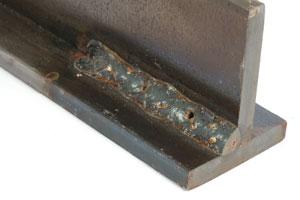
Carrying out cutting-edge technologies and ingenious techniques plays a critical duty in attaining exceptional control over porosity in welding procedures. One sophisticated service is making use of innovative gas mixtures. Securing gases like helium or a blend of argon and hydrogen can help in reducing porosity by providing much better arc stability and enhanced gas protection. In addition, utilizing advanced welding methods such as pulsed MIG welding or customized atmosphere welding can additionally aid reduce porosity issues.
An additional sophisticated option entails the usage of innovative welding equipment. Making use of devices with built-in features like waveform control and sophisticated power sources can enhance weld top quality and reduce porosity threats. The execution of automated welding systems with exact control over criteria can significantly reduce porosity flaws.
Additionally, incorporating advanced tracking and examination technologies such as real-time X-ray imaging or automated ultrasonic testing can aid in finding porosity early in the welding process, permitting prompt corrective actions. Overall, incorporating these advanced solutions can Continue greatly boost porosity control and enhance the total top quality of welded elements.
Conclusion
In conclusion, understanding the science behind porosity in welding is essential for welders and producers to produce premium welds - What is Porosity. Advanced remedies for porosity control can further enhance the welding process and make sure a solid and trustworthy weld.
Comments on “What is Porosity in Welding: Vital Tips for Achieving Flawless Welds”